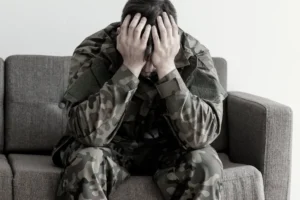
Acute Stress Reaction: Guide to Preventing PTSD
When a person experiences a traumatic or life-threatening event, the body activates powerful survival mechanisms, such as the fight-or-flight response, to ensure immediate safety. In the immediate aftermath, however, many experience a state of heightened stress, known as an Acute Stress Reaction. This phase may be marked by disorientation, intense emotions, or hyperarousal.
This period immediately after the shock also presents a critical opportunity: early psychological and body-oriented support, such as grounding techniques or professional guidance, can help stabilise the nervous system, reduce the risk of post-traumatic stress disorder (PTSD), and even lay the foundation for post-traumatic growth over time.
In this article, you’ll learn how the body responds to shock, what signs to look out for right after the event, and — most importantly — what can be done and what should not be done during the first hours and days to prevent PTSD and lay the foundation for post-traumatic growth.

What Happens During and After a Shock Event?
As a reaction to a sudden, overwhelming event — such as an accident, assault, or traumatic loss — the body immediately mobilizes its survival systems. These instinctive responses, often referred to as “fight, flight, or freeze,” are hardwired into our nervous system.
Our bodies have a remarkable ability to activate innate survival mechanisms. They prepare us to confront or flee from threats by mobilizing internal resources to ensure immediate safety. But once the danger has passed, the body may remain in a state of shock — still flooded with stress hormones, still searching for safety.
This post-shock state is often disorienting. The mind struggles to process what happened, while the body remains on high alert. Though uncomfortable, this stage is not pathological — it is a normal, time-limited response to an abnormal situation. And importantly, it is a phase where skilled support can make a lasting difference.
Understanding the Acute Stress Reaction (ICD-10 F43.0)
According to the International Classification of Diseases (ICD-10), an Acute Stress Reaction (ASR) (F43.0) is the body’s immediate psychological and physiological response to a severely stressful event. The event can be it physical or psychological stress such as being affected by observing a traumatic event.
The acute stress reaction is an immediate and transient response. The reaction typically begins within minutes of the trauma and may last for hours or a few days. Symptoms usually appear directly after the shock event (within minutes) and subside within hours or days after the event.
Typical symptoms of ASR include:
Symptoms of the Acute Stress Reaction arise from an over-activated sympathetic nervous system, which floods the body with stress hormones like adrenaline and cortisol. Physically, this may feel like being on edge, restless, hypervigilant. Alternatively or in addition there may be symptoms of parasympathetic shutdown (e.g. paling, numbness, dissociation)
In many cases these symptoms will resolve naturally. For some people, especially those without support or with a history of trauma, the reaction can crystallise into post-traumatic stress disorder (PTSD). That’s why early, informed intervention matters so much.
Cognitive and Perceptual Symptoms
These symptoms reflect how the brain processes (or fails to process) information during and immediately after the traumatic event.
- Narrowing of attention (tunnel vision)
- Disorientation and confusion
- Inability to process & comprehend external stimuli
- Memory gaps around the event – difficulty recalling details what happened
Emotional and Behavioural Symptoms
This group of symptoms reflects outward expressions of inner turmoil, ranging from withdrawal to intense agitation.
- Withdrawal from social interaction
- Agitated overactivity or restlessness
- Irritability, anger or verbal aggressiveness
- Emotional volatility, such as crying, panic
- Uncontrolled / overwhelming grief
- Numbness / dissociation (feeling unreal or disconnected)
- Freezing or immobility (unable to move or respond)
Physiological (Autonomic) Symptoms
These are the body’s automatic, survival-based responses, driven by the sympathetic and parasympathetic nervous system.
- Heightened physiological arousal, such as rapid heart rate, sweating
- Muscle tension or trembling
- Hyperventilation or shortness of breath
- Nausea or digestive upset
- Dizziness or light-headedness
- Numbness
- Flushed skin or paling
Differential Diagnosis
The ICD-10 distinguishes the Acute Stress Response from PTSD (F43.1), noting that the ASR is transient, while PTSD involves persistent symptoms which develop within six months after the event.
Why This Phase Is So Critical
The time immediately following a traumatic event is often referred to as a “critical window”. This is a short period (a few hours up to 2-3 days after the event) in which the nervous system is still processing and the brain hasn’t yet solidified trauma memories. The emotional and sensory imprints of the event are still malleable.
Early support during the critical window can change the trajectory of recovery for many, depending on individual circumstances and the nature of support.
- The brain is highly responsive to external cues of safety
- Meaning-making and memory storage are still fluid
- Supportive experiences can soften or reframe traumatic imprints
- Regulation and Co-regulation can reduce long-term nervous system dysregulation
Most importantly, this phase allows us to activate inner resources and redirect the experience toward resilience.
Interventions immediately after the event – during / shortly after the acute stress response – can reduce the risk of post-traumatic stress disorder
Immediate Support: How can Others help Prevent PTSD?
When someone is in a state of acute stress reaction, how they are met by others matters greatly. Supporting others, first responders, medical practitioners, loved ones, or professional therapists or counsellors can all play a role in shaping the outcome.
During this phase, it’s important to stabilise the person and help them navigate the present moment after the event. As a first responder, you need to gradually establish contact, assist the person, and help them calm down.
There is a window of opportunity immediately after the shock event to support stabilization.
Supporting Someone in Acute Stress: What Helps
- Stay calm and grounded yourself – Nervous systems co-regulate. Your calm presence helps the person stabilise.
- Offer simple, clear assurance / calming words – Repeat phrases like: “You are safe now,” or “I’m here with you.”
- Orient the person in time, location, process – Help the person to find their way into the present. Orient them in time and location, and what is happening “One hour ago you were involved in a car accident, you are now in the hospital. My name is XY and I am responsible for …”
- Respect boundaries – Physical touch can help only if welcomed. Always ask first.
- Offer the person a safe space – Silent presence can be healing
Offer safe contact and support orientation of the person.
What First Responders Should Avoid During Acute Stress Reaction
When supporting someone in the immediate aftermath of a traumatic event, first responders—whether loved ones, professionals, or bystanders—play a critical role. However, certain actions can unintentionally increase distress or hinder recovery. Here’s what to avoid when helping someone experiencing an Acute Stress Reaction:
By avoiding these pitfalls, first responders can create a safe, supportive environment that fosters stabilization and supports the person’s natural recovery process.
First responders should avoid forcing someone to talk about the event, belittling feelings or touching the person without their consent. Instead, they should create a calm, safe environment to support natural recovery.